
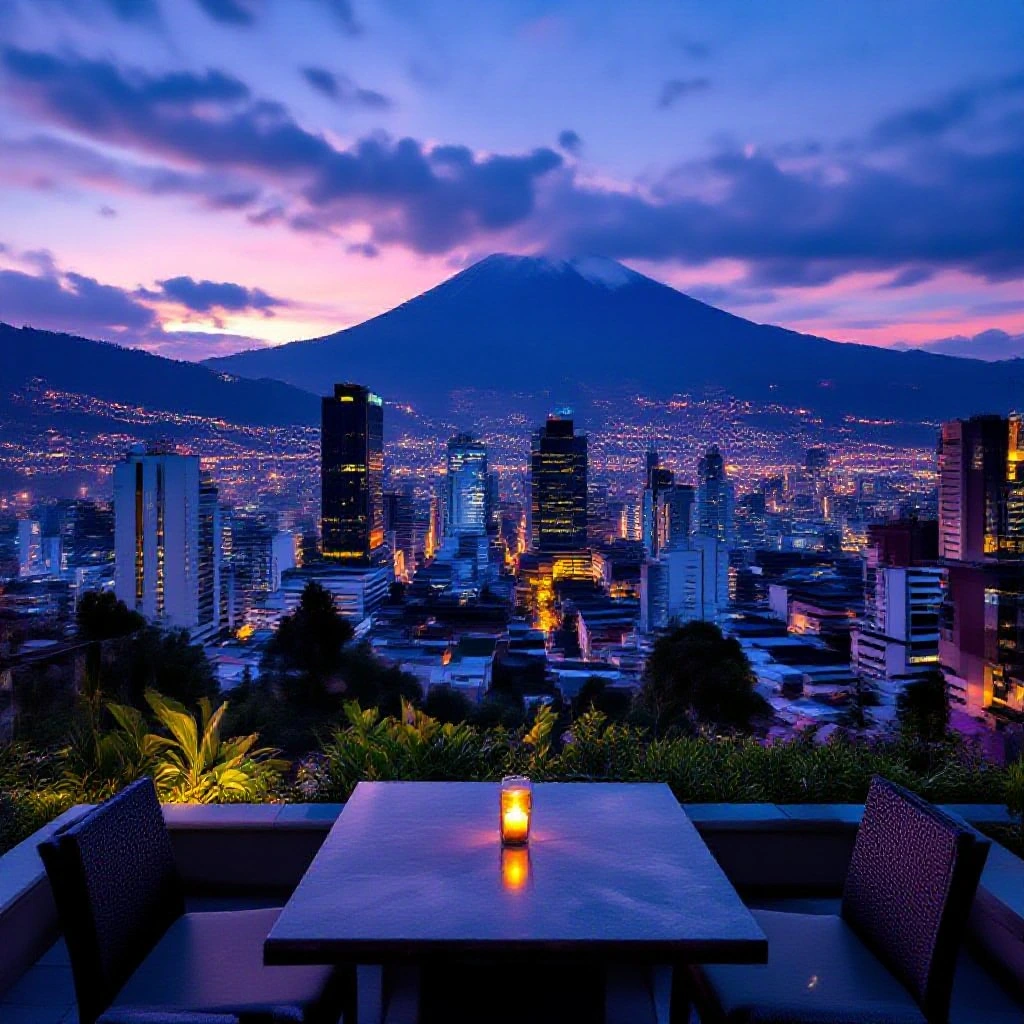
Understanding Quito’s weather before you travel makes a significant difference to your experience. At 2,850 meters above sea level, Ecuador’s capital has a climate unlike anything most visitors have encountered — mild temperatures year-round, dramatic shifts between sunshine and rain within a single afternoon, and a dry season that doesn’t always behave predictably. This guide covers everything you need to know about when to visit Quito and what conditions to expect when you arrive.
Quito’s Climate: The Basics
Quito sits almost exactly on the equator, which means day length stays consistent at roughly 12 hours year-round and temperatures don’t swing dramatically between seasons the way they do at higher latitudes. What changes instead is rainfall — Quito has a dry season and a wet season rather than a hot season and a cold season.
Average daytime temperatures in Quito range from about 18°C to 22°C (64°F to 72°F) throughout the year. Nights are cooler, typically dropping to 8°C to 12°C (46°F to 54°F). The altitude is responsible for this moderate climate — without it, Quito’s equatorial position would produce tropical heat.
One of the most distinctive features of Quito’s weather is its daily variability. Mornings are often clear and sunny. By early afternoon, clouds typically build over the surrounding mountains. By mid-afternoon, rain is common — sometimes heavy, sometimes just a brief shower. By evening, skies often clear again. This pattern repeats almost daily during the wet season and less frequently during the dry season.
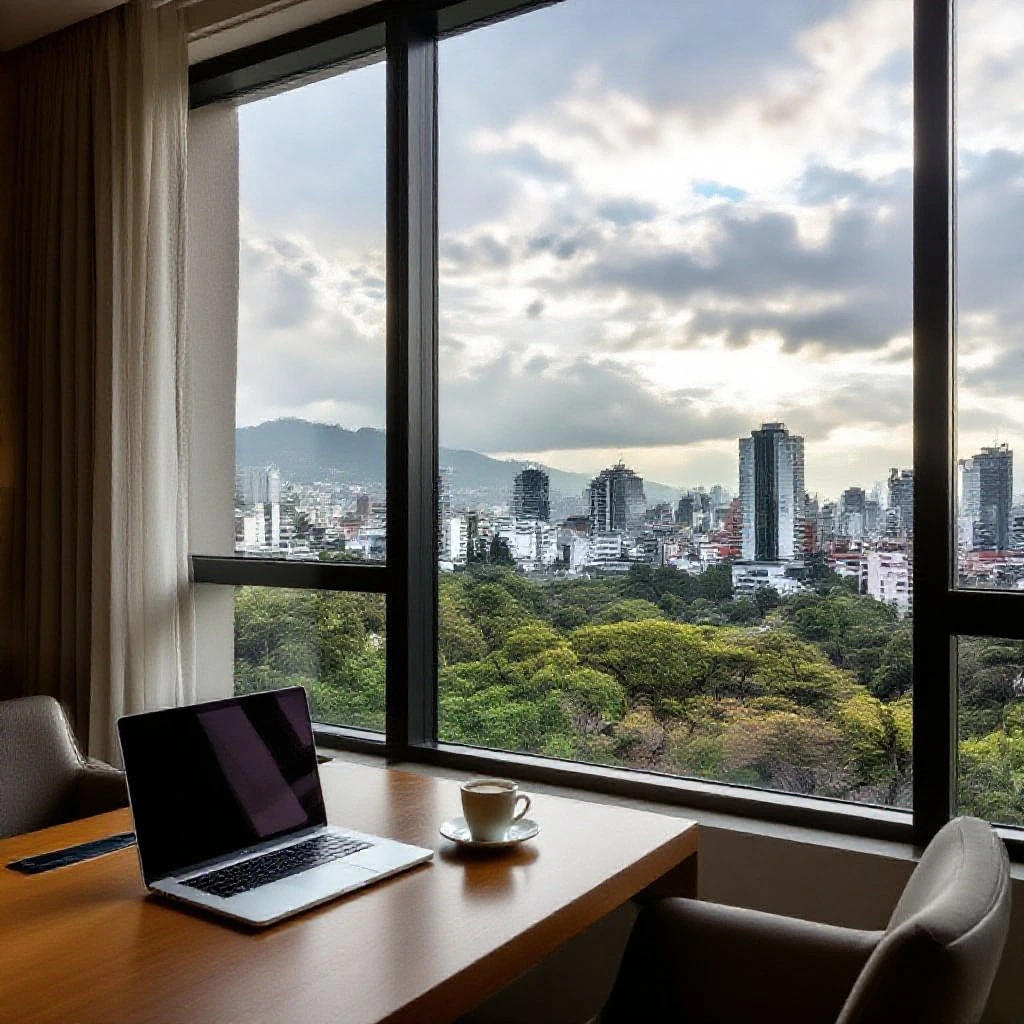
Dry Season in Quito: June to September
The main dry season runs from June through September, with July and August being the driest and sunniest months. This is the peak travel period and the best time to visit Quito if you want reliable weather for outdoor activities, day trips to Cotopaxi and other volcanoes, and clear views from the Teleférico.
During the dry season, morning temperatures are cool — around 10°C to 12°C — warming to 20°C to 22°C by midday. Rain is much less frequent, though brief afternoon showers still occur. The sky tends to stay clear longer into the afternoon than during the wet season, making this the best time for photography and volcano viewing.
A second shorter dry period occurs in December and January, often called the “little summer” or veranillo. Conditions are similar to the main dry season, though less reliably sunny.
Wet Season in Quito: October to May
The wet season runs roughly from October through May, with February and March typically being the wettest months. During this period, afternoon rain is almost guaranteed — usually arriving between 2pm and 5pm and lasting one to three hours before clearing.
Despite the name, the wet season is not a reason to avoid Quito. Mornings are still often beautiful and clear, temperatures remain mild, and the city’s cultural attractions — museums, churches, markets, restaurants — are unaffected by rain. The wet season also means greener landscapes, fewer tourists, and lower hotel prices.
For day trips from Quito to outdoor destinations like Cotopaxi or Mindo, the wet season is less ideal — cloud cover can obscure volcano views entirely. If outdoor excursions are a priority, plan for the dry season or book early morning tours before clouds build.
Month-by-Month Weather Guide
January: Part of the short dry period. Generally sunny mornings with some afternoon rain. Good for travel. Average high: 20°C.
February: Start of the wet season. Increased rainfall, particularly in afternoons. Still pleasant in mornings. Average high: 19°C.
March: One of the wettest months. Heavy afternoon rains are common. Mornings remain mild and often clear. Average high: 19°C.
April: Wet season continues but rain starts to ease. A transitional month with variable conditions. Average high: 19°C.
May: Rain decreasing. The city begins transitioning toward the dry season. Average high: 20°C.
June: Beginning of the main dry season. Increasingly sunny days. Good for outdoor activities. Average high: 21°C.
July: One of the driest and sunniest months. Peak travel season. Excellent for day trips and volcano views. Average high: 21°C.
August: Similar to July. Dry and sunny. Strong winds in the afternoons are common in Quito during this month. Average high: 21°C.
September: End of the dry season. Still generally good weather with some return of afternoon clouds. Average high: 21°C.
October: Return of the wet season. Afternoon rain increases. Mornings still good for sightseeing. Average high: 20°C.
November: Wet season in full swing. Plan outdoor activities for mornings. Average high: 19°C.
December: Short dry period begins mid-month. The weeks around Christmas are often sunny. Average high: 20°C.
What to Pack for Quito’s Weather
Quito’s mild but variable climate requires layering rather than packing for one extreme. Here’s what to bring regardless of when you visit:
- A light waterproof jacket or packable rain poncho — essential year-round for afternoon showers
- Layers: a light fleece or sweater for evenings and early mornings
- Comfortable walking shoes suitable for cobblestone streets in Old Town
- Sunscreen — the equatorial sun at altitude is intense even on cloudy days
- Sunglasses
- A light scarf or extra layer for air-conditioned restaurants and shopping centers
You don’t need heavy winter clothing. Quito never gets cold enough for a heavy coat, and the daytime temperatures are comfortable in a t-shirt with a light layer on top.
Altitude and Weather: An Important Note
Quito’s weather interacts with its altitude in ways that affect visitors. The thinner air at 2,850 meters means UV radiation is significantly stronger than at sea level — sunburn happens faster than you’d expect, even on overcast days. It also means that physical exertion — climbing stairs, walking uphill, carrying luggage — feels harder than usual until you acclimatize.
Read our complete guide to altitude sickness in Quito for advice on acclimatization, symptoms to watch for, and how to enjoy your first days in the city comfortably.
Where to Stay During Any Season
Whatever time of year you visit, Hotel Finlandia offers a comfortable base in Quito’s La Carolina financial district — close to Parque La Carolina, the city’s best restaurants, and major transport links to Old Town and beyond. Our hotel rooms are climate-controlled and equipped with everything you need for a comfortable stay at altitude.