
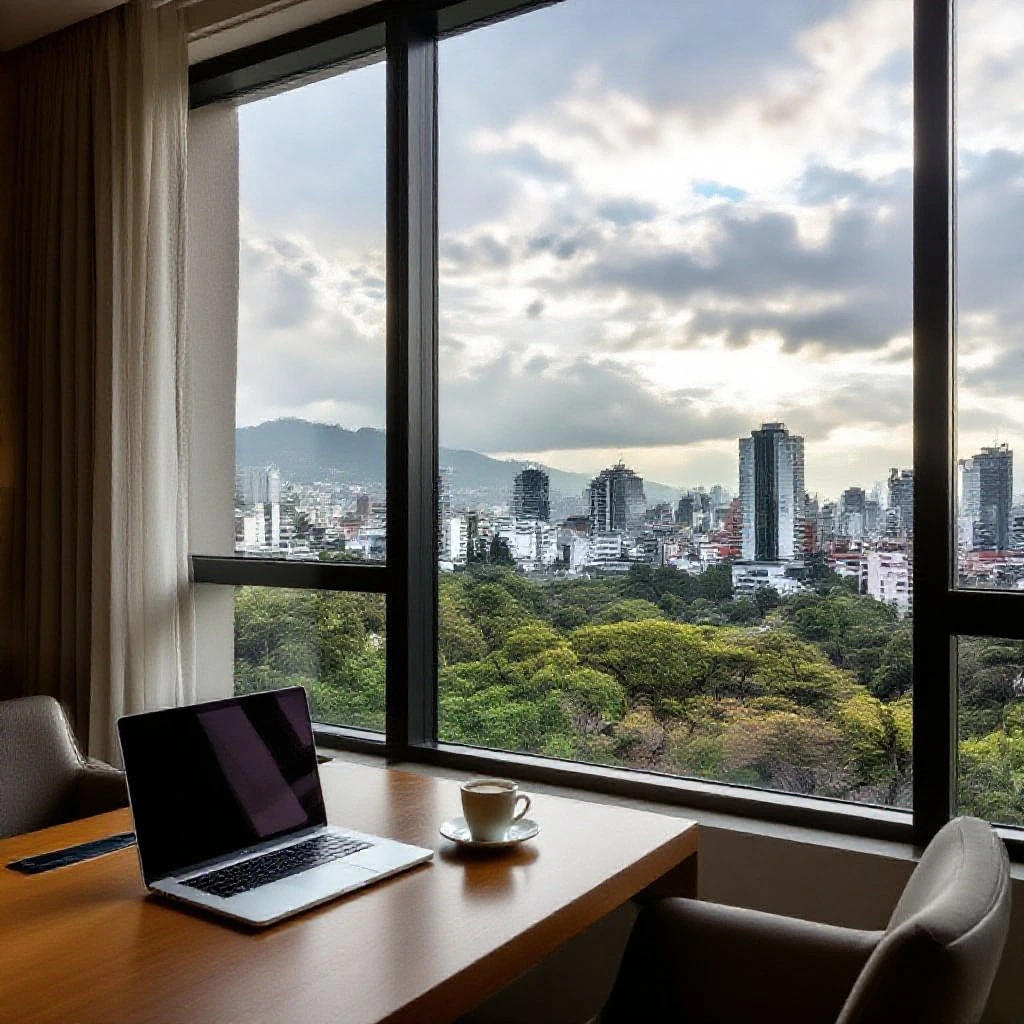
Quito has a reputation that surprises most travelers the first time they hear it: a city sitting just 15 miles from the equator, surrounded by active volcanoes, with weather that feels like a mild spring day almost every single day of the year. No real summer. No real winter. Just cool mornings, warm afternoons, and a sky that can shift from blinding sunshine to dramatic clouds and back again within the same hour.
But here’s the thing saying “Quito has great weather year-round” is both true and slightly misleading. Because while the temperature stays remarkably consistent (you’ll almost never see it drop below 46°F or climb above 72°F), what changes dramatically between seasons is rainfall, visibility, crowd levels, hotel prices, and the cultural heartbeat of the city. And those differences matter a lot when you’re planning a trip.
This guide breaks down every season, every month, and every major festival so you can make an informed decision about when to visit Quito whether you’re coming for business, bringing the family, chasing good weather for hiking and day trips, or just looking for the most affordable window to explore one of South America’s most underrated capitals.
Understanding Quito’s Climate: Why Altitude Changes Everything
Before you look at any monthly breakdown, it helps to understand why Quito’s climate behaves the way it does. The city sits at 9,350 feet (2,850 meters) above sea level in a narrow Andean valley, flanked by the Pichincha Volcano to the west and a series of mountains and hills to the east. That altitude — not latitude is what defines the climate.
Because Quito is so close to the equator, it receives roughly the same 12 hours of daylight every day of the year. The sun rises around 6:00 AM and sets around 6:00 PM, with almost no variation. This means the seasonal changes you’d expect from summer and winter in the Northern Hemisphere simply don’t happen here.
What does change is the Intertropical Convergence Zone — a band of low pressure that moves north and south of the equator with the seasons. When this zone passes over Quito, it brings heavy afternoon rainfall. When it moves away, the city gets drier, clearer skies. This is why Quito’s two seasons are defined entirely by rain, not temperature.
The dry season (June to September) is when the Intertropical Convergence Zone sits to the north. Rainfall is minimal, skies are clear, and visibility of the surrounding volcanoes — Cotopaxi, Pichincha, Antisana — is at its best.
The rainy season (October to May) brings more frequent precipitation, mostly in the form of afternoon and evening showers rather than all-day rain. Mornings are often beautiful and clear, especially in the months on either side of the peak rainy period (February–March).
One important note: even at its wettest, Quito’s rainy season rarely means constant grey skies. Most locals joke that the city experiences all four seasons before lunch. A completely rained-out day is actually unusual. What you’re more likely to encounter is a sunny morning, some cloud buildup in the early afternoon, a shower around 3:00 PM, and a clear evening. With that reality in mind, the rainy season is far more manageable than many travelers expect.

Quito Month-by-Month: What to Expect
January
Season: Rainy | Average temperature: 55–65°F | Rainfall: Moderate | Crowds: Low
January is one of the quietest months in Quito from a tourism standpoint. The holiday rush of December has passed, international visitors are thin, and hotel rates drop noticeably compared to peak season. It’s a genuinely good time to visit if you’re flexible about afternoon weather and want to experience the city at a more local, unhurried pace.
The city is still in the rainy season, but January’s rainfall tends to be moderate rather than heavy. Mornings are often pleasant and clear, and the city is lush and green from the December rains. If you’re planning day trips to the equator monument at Mitad del Mundo, to the markets of Otavalo, or to the hot springs at Papallacta — January works fine as long as you head out early.
Best for: Budget travelers, business visitors, people who prefer fewer tourists
February
Season: Rainy | Average temperature: 55–65°F | Rainfall: High | Crowds: Low to Medium (Carnival)
February is statistically Quito’s wettest month. Rainfall peaks, and you’ll encounter more persistent showers than any other time of year. That said, it’s also the month of Carnival — one of Ecuador’s most entertaining and unpredictable celebrations.
Unlike Brazil’s Carnival, Ecuador’s version is notably more chaotic and good-natured: Ecuadorians celebrate by throwing water balloons, spraying foam, and dousing strangers with buckets of water on the street. It sounds alarming, but it’s deeply festive and surprisingly fun once you embrace it. Just keep your electronics well-protected and don’t wear anything you’re not willing to get soaked.
Carnival falls in late February or early March depending on the year. During this window, domestic tourism picks up significantly as Ecuadorians travel and celebrate. Book accommodation in advance if you’re visiting during Carnival week.
Best for: Budget travelers, Carnival enthusiasts, cultural experiences
March
Season: Rainy | Average temperature: 55–66°F | Rainfall: High | Crowds: Low to Medium
March is still solidly in the rainy season, though rainfall begins to taper off toward the end of the month. The landscapes around Quito are spectacularly green at this time of year — if you’re planning to photograph the volcanoes, cloudforests, or Andean countryside, the saturation of color after months of rain is genuinely beautiful on the clear days you do get.
Holy Week (Semana Santa) sometimes falls in March, depending on the calendar. This is one of the most important religious and cultural events of the year in Ecuador. The Historic Center of Quito fills with elaborate processions, particularly on Good Friday, when thousands of participants in purple robes and pointed hoods walk through the cobblestone streets in a display that has remained largely unchanged for centuries. It’s striking, sober, and completely unlike anything you’d see in most cities. Witnessing Semana Santa processions in Quito’s UNESCO-listed Historic Center is one of those travel experiences that stays with you.
Keep in mind that many businesses, restaurants, and government offices close or reduce hours during Holy Week. Plan accordingly.
Best for: Budget travel, religious and cultural tourism, photography of green Andean landscapes
April
Season: Rainy transitioning | Average temperature: 56–67°F | Rainfall: Moderate | Crowds: Medium
April represents a noticeable improvement from the wettest months. Rain continues, but it’s less frequent and less heavy. Mornings become increasingly clear and pleasant, and the city starts feeling more accessible for outdoor exploration. If Semana Santa falls in April rather than March, the city will be busy with domestic travelers during that week.
April is a reasonable month to visit if you don’t mind the occasional afternoon shower and want to avoid the crowds and prices of peak season. Day trip conditions to Cotopaxi National Park, the Andes highlands, or the Mindo cloud forest can be excellent on clear mornings.
Best for: Shoulder season travelers, day trips, Semana Santa processions (if applicable)
May
Season: Transitioning to dry | Average temperature: 57–68°F | Rainfall: Moderate, decreasing | Crowds: Medium
May is a transitional month where you start to feel the shift toward the dry season. Rain becomes less frequent, skies clear more consistently, and conditions for outdoor activities improve week by week. By late May, you can often enjoy full days without significant rain.
May is also one of the warmest months in Quito, with daytime temperatures regularly hitting 68°F or a little above. It’s not hot by any stretch — the altitude ensures that — but it feels noticeably more comfortable than the cooler dry season months of June and July.
If you’re looking for a good-weather window at lower prices than peak season, late May into early June is one of the smartest windows to book.
Best for: Good value, transitional weather, building outdoor activity window
June
Season: Dry | Average temperature: 55–66°F | Rainfall: Low | Crowds: High
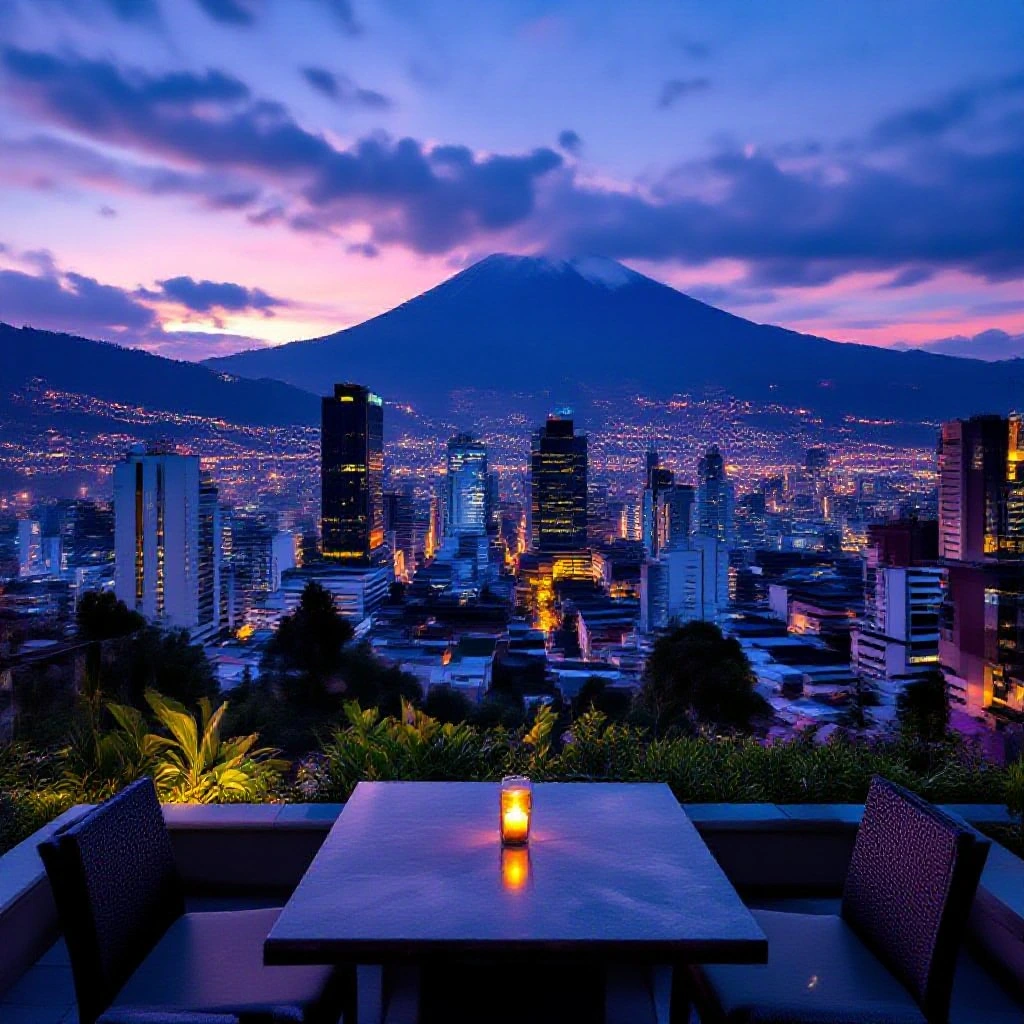
June marks the beginning of Quito’s peak travel season, and it earns the designation. The dry season settles in properly, bringing consistently clear mornings, low humidity, and the kind of bright, sharp light that makes the city’s architecture and mountain backdrop look spectacular. If you’ve seen photographs of Quito with Pichincha Volcano gleaming behind the colonial rooftops, they were almost certainly taken between June and August.
International tourism picks up significantly in June. European and North American summer holidays align with Quito’s best weather window, which means hotels fill up faster and prices start to rise. Booking accommodation at least 3–4 weeks in advance is recommended, particularly for the most sought-after rooms in the northern financial district and the Historic Center.
June 24 is the Fiesta de San Juan, celebrated in many communities around Quito with traditional dancing, music, and bonfires. The area around Otavalo (a popular day trip from the city) is particularly festive during this time.
Best for: First-time visitors, outdoor activities, photography, day trips to Cotopaxi and Otavalo
July
Season: Dry | Average temperature: 54–65°F | Rainfall: Very Low | Crowds: High
July is widely considered the best month to visit Quito. Statistically, it’s the driest month of the year. Days are bright, wind is minimal, and the combination of clear air at altitude and strong equatorial sun creates extraordinary visibility — you can often see multiple snow-capped volcanoes from the city on a single clear morning.
The downside of July’s excellence is that everyone knows it. Hotels in desirable areas sell out quickly, and popular day trip destinations like Cotopaxi National Park can feel crowded. If you’re visiting in July, plan ahead: book accommodation early, arrange guided day trips in advance, and expect busier restaurants and more foot traffic in the Historic Center.
The tradeoff is worth it for most travelers. The clarity of the light, the ease of outdoor activities, and the overall vibrancy of the city in peak season make July one of those months where Quito genuinely shows off.
Best for: Best weather overall, volcano viewing, hiking and outdoor exploration, first-time visitors
August
Season: Dry | Average temperature: 54–65°F | Rainfall: Very Low | Crowds: High
August is essentially July’s twin — still dry season, still excellent conditions, still busy with international travelers. One noticeable difference is that wind can pick up in August, earning the local nickname “las gáruas” or Quito’s windy month. It doesn’t dramatically affect most activities, but if you’re planning a day trip by cable car (TelefériQo) to high-altitude viewpoints, check conditions beforehand as strong winds can affect operations.
August also sees a surge in domestic Ecuadorian travelers as local school holidays align. The combination of international and domestic visitors makes August arguably the highest-demand month across the city’s hotels, restaurants, and attractions.
Book everything in advance if August is your window. The reward is one of the most animated, energetic versions of the city you’ll encounter.
Best for: Peak season experience, outdoor activities, combination with Galápagos or Amazonia extensions
September
Season: Dry to transitional | Average temperature: 55–66°F | Rainfall: Low | Crowds: Medium
September is one of the most underrated months to visit Quito, and seasoned travelers tend to know it. The dry season is winding down but hasn’t ended — you still get the majority of clear days you’d expect from July or August, but the crowds thin noticeably as European and North American summer holidays conclude. Hotels drop their rates slightly, restaurants are easier to get into, and popular attractions feel less rushed.
Weather in September remains very good, with occasional light showers returning toward the end of the month as the rainy season begins to establish itself. Early September is essentially indistinguishable from August in terms of conditions. It’s an excellent month for hiking, day trips, and outdoor exploration.
For travelers who value good weather but dislike peak-season tourism density, September is the sweet spot of the entire year.
Best for: Smart shoulder season travelers, outdoor activities, good weather without peak crowds
October
Season: Rainy beginning | Average temperature: 56–67°F | Rainfall: Moderate | Crowds: Medium
October marks the return of the rainy season, though the transition is gradual. Early October often still has good stretches of dry weather, particularly in the mornings. By mid-to-late October, afternoon showers become a regular feature again.
For business travelers, October is actually a strong month to visit. The lean-out from peak season means better hotel availability in the financial district, easier dinner reservations, and a city that functions at a more manageable pace. Corporate travelers who need to be in Quito for meetings or conferences will find October practical and efficient.
Best for: Business travel, shoulder season value, manageable weather with flexible afternoon planning
November
Season: Rainy | Average temperature: 56–67°F | Rainfall: Moderate | Crowds: Medium to High (Founding Festival)
November is the run-up to one of Quito’s most important cultural events: the Founding of Quito Festival, which officially begins on November 28 and runs through December 6. In practice, festivities begin earlier, with concerts, street fairs, and cultural events appearing throughout the last week of November.
The city has an excited, anticipatory energy in November that’s genuinely enjoyable even if you don’t stay for the main festival dates. Local markets and food vendors set up throughout the city, and the Historic Center becomes particularly animated.
Best for: Cultural tourism, buildup to the Founding Festival, pre-December prices
December
Season: Mixed | Average temperature: 56–67°F | Rainfall: Moderate | Crowds: High (first week), Medium (after)
December is one of Quito’s most memorable months, full stop. The first week belongs entirely to the Founding of Quito Festival (November 28–December 6), which commemorates the Spanish founding of the city in 1534. It’s the biggest annual celebration in Ecuador and transforms the city into something genuinely extraordinary.
The festivities include traditional bullfights at the Plaza de Toros (one of the few still active in South America), outdoor concerts at Plaza Grande and throughout the Historic Center, parades, street food markets, and a collective euphoria that takes over the entire city. Hotels fill up quickly during this week — the Founding Festival brings both domestic and international visitors, and the best properties book out weeks in advance.
After December 6, the city quiets somewhat before Christmas. The Christmas and New Year’s period brings another wave of celebrations. New Year’s Eve in Quito is particularly unforgettable: at midnight, Ecuadorians burn life-size effigies called “años viejos” — elaborate, often satirical figures representing politicians, celebrities, or the hardships of the past year. Streets across the city fill with bonfires, fireworks, and the particular chaos of a culture that takes its symbolic farewell to the old year very seriously.
Best for: Founding Festival, New Year’s celebrations, cultural immersion, festive atmosphere
Quick Reference: Best Month to Visit Quito by Travel Type
| Month | Season | Avg. Temp (°F) | Rainfall | Tourism | Best For |
|---|---|---|---|---|---|
| January | Rainy | 55–65 | Moderate | Low | Budget travel, quiet city |
| February | Rainy | 55–65 | High | Low–Med | Carnival, budget |
| March | Rainy | 55–66 | High | Low–Med | Semana Santa, photography |
| April | Transitional | 56–67 | Moderate | Medium | Shoulder season |
| May | Transitional | 57–68 | Decreasing | Medium | Value + improving weather |
| June | Dry | 55–66 | Low | High | Start of peak season |
| July | Dry | 54–65 | Very Low | High | Best overall month |
| August | Dry | 54–65 | Very Low | High | Peak conditions, book early |
| September | Dry–Trans. | 55–66 | Low | Medium | Best shoulder season |
| October | Rainy | 56–67 | Moderate | Medium | Business travel, value |
| November | Rainy | 56–67 | Moderate | Med–High | Founding Festival prep |
| December | Mixed | 56–67 | Moderate | High (early) | Founding Festival, New Year |
Best Time to Visit Quito for Business Travelers
Quito’s commercial calendar runs year-round, but certain windows offer clear advantages for corporate visitors.
October and November stand out as the most practical months for business travel. International leisure tourism is at its lowest, which means shorter wait times at restaurants, better availability at hotels in the financial district, and a city that’s operating at its most efficient. Government offices, corporate headquarters, and financial institutions all run on standard schedules without the interruptions that come during holiday windows.
March and April also work well for business visits, with a key caveat: Holy Week (Semana Santa) falls in this window and causes significant closures across the private and public sectors. If you’re scheduling meetings for this period, confirm that your contacts will be operational during Holy Week — many Ecuadorians take the full week off.
December to January presents challenges for business travel. The Founding Festival in early December, Christmas, and New Year’s create an extended holiday season where many businesses operate on reduced schedules or close entirely. The first two weeks of January can also be slow as organizations return from the holiday period.
For corporate events, conferences, or team meetings held in Quito, the financial district around La Carolina is the natural hub. The area is well-served by meeting spaces, business hotels, executive dining, and transport links. If you’re planning events and meetings in Quito, venues in the La Carolina area can accommodate groups of any size and are accustomed to corporate guests year-round.
Best Time to Visit Quito for Families
Traveling with children adds a layer of considerations to timing. You want good weather for outdoor activities, school holidays that match your home calendar, and enough cultural programming to keep kids engaged.
June, July, and August deliver all three for most families from North America and Europe. School summer holidays align with Quito’s dry season, outdoor activities are at their best, and kid-friendly attractions — La Carolina Park’s lagoon and paddleboats, the Botanical Garden’s butterfly dome, the Vivarium reptile house, and day trips to Mitad del Mundo — are all fully operational.
December is the other strong option for family travel. Children who can experience the Founding of Quito Festival get an authentic, vivid immersion in Ecuadorian culture that’s unlike anything in the standard tourist circuit. The street parades, outdoor markets, and New Year’s bonfire traditions are the kind of experiences that become family memories rather than just checked-off attractions.
One practical note for family travelers: altitude affects children differently than adults, and young kids can be more sensitive to Quito’s elevation. Build in a rest day when you arrive, prioritize hydration, and avoid heavy physical activity for the first 24–48 hours. For a full guide to managing altitude on arrival, our altitude tips for Quito visitors covers exactly what to do before and after landing.
Day Trips from Quito: Which Season Is Best?
One of Quito’s greatest strengths as a base is its proximity to extraordinary destinations within two to three hours. The season affects these day trips significantly.
Cotopaxi National Park is most rewarding in the dry season (June–September), when the iconic cone of Cotopaxi Volcano is visible without cloud cover. Arriving during the rainy season doesn’t make it inaccessible, but you may spend your visit unable to see the summit you came for.
Otavalo Market operates year-round every Saturday morning and is one of the most famous artisan markets in South America. The drive is pleasant in any season, though the dry season offers better road conditions and more reliable weather for an early-morning departure.
Mindo Cloud Forest is actually worth considering during the shoulder seasons (April–May or September–October) rather than peak dry season. Cloud forests need moisture, and a visit after rain brings the ecosystem to life in ways that a purely dry-season visit can miss. Bird diversity is higher in the wetter months, and the vegetation is spectacularly lush.
Papallacta Hot Springs are a year-round destination and are arguably more enjoyable in the rainy season or cool evenings of the dry season. Soaking in natural thermal pools while it drizzles lightly around you is one of Quito’s most underrated experiences.
Quito’s Major Festivals: Planning Your Visit Around Events
Carnival (February/March)
Ecuador’s Carnival is celebrated across the country with water fights, foam, and general good-natured chaos. In Quito, it’s more subdued than in coastal cities but still festive. The main advice: protect electronics, wear clothes you don’t mind getting soaked, and lean into the fun. Serious business travel during Carnival week is inadvisable.
Semana Santa / Holy Week (March/April)
The most solemn and visually powerful festival in Quito’s calendar. The Good Friday procession through the Historic Center — known as the Christs of Good Friday — is one of the most significant religious processions in South America. Thousands of purple-robed participants (many of them barefoot) carry heavy wooden crosses through Quito’s cobblestone streets. Attendance at the procession is free, but get there early for good viewing positions along the route.
Inti Raymi (June 21)
The Andean Festival of the Sun, coinciding with the summer solstice, is celebrated in indigenous communities around Quito. The most prominent celebrations happen in communities north of the city, particularly around Otavalo and Cotacachi. It’s a vivid, musical, deeply rooted celebration of Andean culture.
Founding of Quito Festival (November 28 – December 6)
The city’s biggest event by far. Book accommodation at least 6–8 weeks in advance if you plan to be in Quito during the first week of December. Hotel rates rise sharply during this period, but the atmosphere justifies it.
New Year’s Eve (December 31)
Unique to Ecuador and unmissable if you’re in the country. The burning of the años viejos effigies at midnight is a cultural event unlike anything else in the world. Watch from a safe distance from the bonfires — some figures are quite large and burn intensely — and be prepared for a raucous, joyful, fire-lit celebration.
What to Pack: Season-by-Season
Dry Season (June – September)
- Light jacket or fleece (evenings and mornings get cold, especially at altitude)
- Sunscreen with high SPF (equatorial sun at altitude is intense)
- Sunglasses
- Layers that you can add or remove as the day progresses
- Comfortable walking shoes
Rainy Season (October – May)
- Compact waterproof jacket or travel umbrella
- Waterproof shoes or an extra pair
- Layers (temperature drops when it rains)
- Dry bags or waterproof pouches for electronics
- Sunscreen (UV is still strong even on cloudy days at altitude)
Where to Stay in Quito No Matter When You Visit

Location matters more than timing when it comes to choosing where to base yourself in Quito. The two main areas most travelers consider are the Historic Center (Old Town) and the La Carolina financial district in the north and they offer fundamentally different experiences.
The Historic Center gives you immediate access to Quito’s colonial architecture, churches, and UNESCO heritage sites. It’s walkable, photogenic, and culturally rich. It also tends to be busier with tourists during peak season, and evening safety requires more awareness in certain streets.
The La Carolina area — home to the city’s main financial and commercial district — is the more practical choice for most modern travelers. It’s quieter, more residential, has better transport access to the rest of the city, and puts you within walking distance of Quito’s best parks, including the 64-hectare La Carolina Park. Restaurants, shopping centers, and business facilities are all close by.
For a detailed breakdown of every neighborhood, including safety, pricing, and proximity to attractions, our guide to the best area to stay in Quito is the place to start.
If you’re ready to book, you can explore comfortable hotel rooms in Quito at Hotel Finlandia located in the heart of the La Carolina financial district, within minutes of the city’s main commercial areas, transport links, and the park itself.
And if you’re planning to combine your visit with corporate events or meetings, our events and meetings spaces in Quito are available year-round with full-service support.
Final Verdict: The Best Time to Visit Quito
If you want the best weather without compromise: Book July or August. Clear skies, maximum volcano visibility, ideal conditions for outdoor activities. Just book early.
If you want great weather and fewer crowds: September is your answer. Dry conditions, thinner tourism, slightly better prices. The smartest month for experienced travelers.
If you’re traveling for cultural immersion: The first week of December for the Founding Festival, or April for Semana Santa processions. These are transformative experiences that most visitors don’t plan around and almost universally wish they had.
If you’re a business traveler: October and November offer the best combination of a fully operational city and lower leisure tourism. Avoid the Christmas–New Year holiday stretch if your visit depends on meetings and productivity.
If budget is the priority: January, February, or March will give you the lowest rates, the fewest tourists, and a city that feels genuinely like its everyday self rather than its showcase self.
The honest truth about Quito is that it rewards visitors in every season — just in different ways. The city’s extraordinary altitude, its proximity to the equator, and its remarkable cultural depth mean that a great trip is achievable in any month of the year. The key is knowing what you’re coming for, and planning accordingly.
Pack the layers. Bring the sunscreen. And don’t let a little afternoon rain stop you from exploring one of South America’s most extraordinary cities.