
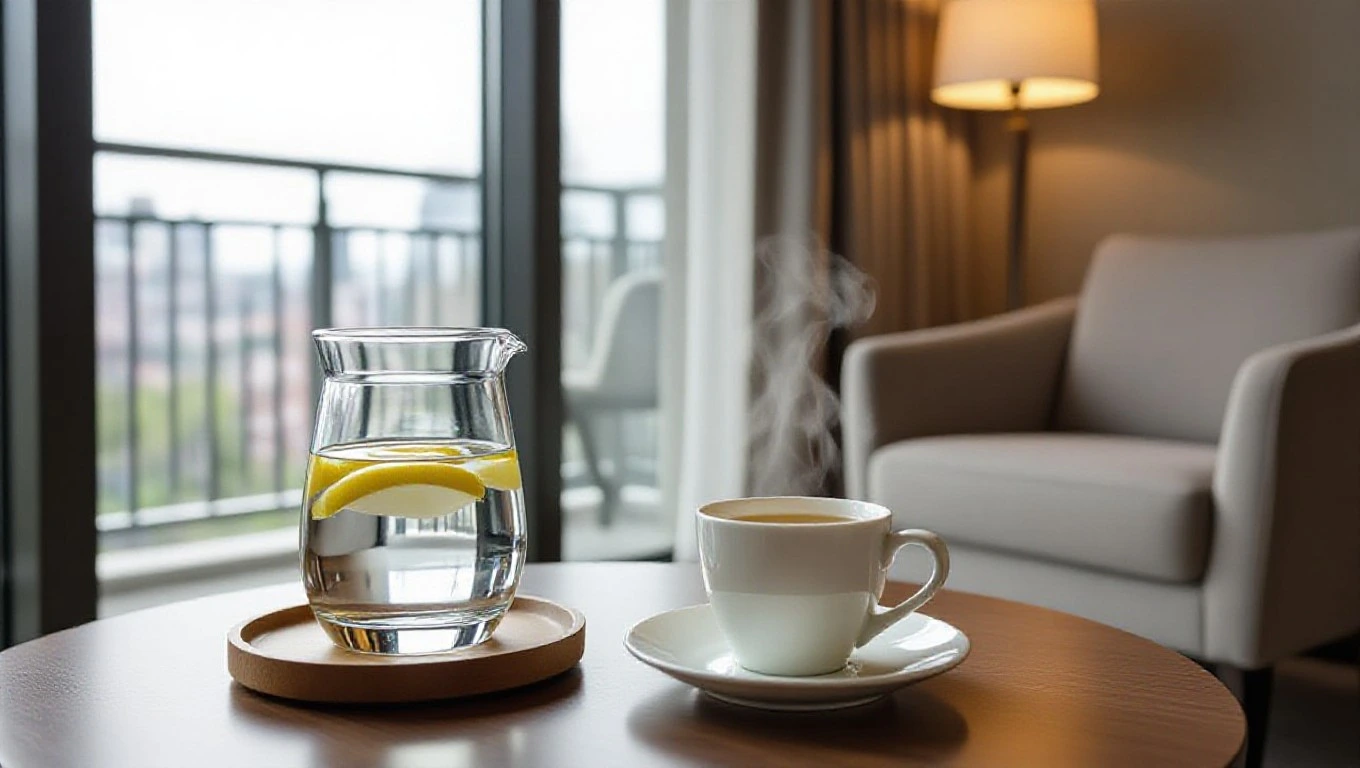
Ecuador is one of the world’s great coffee-producing countries, and Quito — as the capital — is where the best of that production ends up in the cup. The city’s specialty coffee scene has developed rapidly over the last decade, moving from instant coffee culture to a genuine third-wave movement with roasters, pour-over bars, and single-origin offerings from Ecuador’s most celebrated growing regions.
Whether you’re looking for a quiet morning spot before a day of sightseeing, a work-friendly café with reliable Wi-Fi, or a coffee experience that connects directly to Ecuadorian growing culture, Quito has options across every neighborhood. The cafés in this guide are concentrated in three main areas: La Floresta, La Mariscal, and La Carolina — the neighborhoods where the city’s café culture is most developed. For a full breakdown of these neighborhoods and how they differ, our guide to the best area to stay in Quito covers each zone in detail.
One practical note before you start: Quito’s café culture is morning-heavy. Most specialty coffee shops open between 7:30 and 9:00 AM and are at their best before noon. If you’re planning a full morning in the parks in Quito — particularly La Carolina — many of the cafés in this guide are within walking distance or a short Uber ride of the park. And if you’re wondering about the best time of year to visit Quito’s café scene, our guide to the best time to visit Quito will tell you that the dry season (June-September) is when outdoor café seating is at its most enjoyable.
Why Ecuadorian Coffee Deserves Attention
Before getting into specific cafés, it’s worth understanding why Ecuadorian coffee is worth seeking out in the first place.
Ecuador has the rare geographic combination of altitude, equatorial proximity, and volcanic soil that produces exceptional Arabica coffee. The main growing regions — Loja in the south, the Intag Valley in the north, Pichincha (the province surrounding Quito), and the Andes highlands — produce coffee with a distinctive cup profile: bright acidity, medium body, and flavor notes that range from citrus and stone fruit to chocolate and floral.
For decades, Ecuador’s best coffee was exported to Europe and the US while locals drank instant. That has changed significantly, and the specialty coffee movement in Quito now includes multiple roasters who source directly from Ecuadorian farms, roast in-house, and offer single-origin offerings that would be recognized in any specialty café in New York or London.
Best Cafes in La Floresta
La Floresta is Quito’s most café-dense neighborhood — a creative, walkable zone between La Mariscal and the Historic Center where independent businesses dominate and chain culture is almost entirely absent. If you visit only one neighborhood for coffee in Quito, make it La Floresta.
Cafeto Coffee Lab
One of Quito’s best-regarded specialty coffee destinations. Cafeto sources directly from Ecuadorian farms and roasts in-house, offering single-origin pour-overs and espresso drinks alongside beans to take home. The space is small, focused, and staffed by baristas who genuinely know their product. The menu changes seasonally as new harvests arrive. Not a place for working with a laptop — this is a focused coffee experience.
What to order: the single-origin pour-over, and ask the barista which origin is at its best that week.
Practical info: La Floresta neighborhood, Calle Isabel La Católica area. Morning hours. Cash and card accepted.
Café Mosaico
Located on the hillside above La Floresta with one of the most dramatic views in Quito — looking directly over the rooftops of the Historic Center with Pichincha Volcano in the background. The coffee is solid, the food menu is good, and the terrace is one of the best places in the city to drink a morning cappuccino. Gets busy on weekends.
What to order: cappuccino on the terrace, plus one of their breakfast plates.
Practical info: Itchimbía hill, accessible by Uber or a steep walk from La Floresta. Opens early morning.
Coffee & Co
A more relaxed neighborhood café in La Floresta with comfortable seating, reliable Wi-Fi, and a menu that balances good espresso drinks with light food. Popular with students and digital workers. A practical option if you need a quiet place to work for a few hours rather than a full specialty coffee experience.
What to order: flat white or americano with one of their homemade pastries.
Best Cafes in La Mariscal
La Mariscal is more restaurant and nightlife-oriented than La Floresta, but it has a solid café scene — particularly around Av. Juan León Mera and the streets surrounding Plaza Foch.
Kallari Café
Kallari is both a café and a social enterprise — it’s run by a cooperative of indigenous Kichwa communities from the Amazon region of Ecuador who grow, process, and sell their own single-origin cacao and coffee. Drinking at Kallari directly supports those communities. The coffee is excellent. The hot chocolate, made from their own cacao, is among the best in the country.
What to order: the single-origin drip coffee and the Kallari hot chocolate side by side — it’s one of the more memorable food experiences available in Quito.
Practical info: Av. Juan León Mera, La Mariscal. A landmark spot for ethically-minded travelers.
El Cafecito
A long-established Quito institution in La Mariscal — part café, part hostel lounge, reliably social and welcoming to solo travelers. The coffee is good without being exceptional. The real draw is the atmosphere: traveler community, good food at reasonable prices, and a staff that knows how to make international visitors feel at home.
What to order: the coffee with breakfast, and take time to chat with whoever is sitting next to you.
Practical info: Cordero and Juan León Mera, La Mariscal. Opens early, closes late.
Best Cafes in La Carolina and the Financial District
The financial district has fewer destination cafés than La Floresta or La Mariscal, but it has what corporate travelers and hotel guests actually need: reliable, quality coffee in accessible, comfortable spaces.
227 Resto-Café at Hotel Finlandia
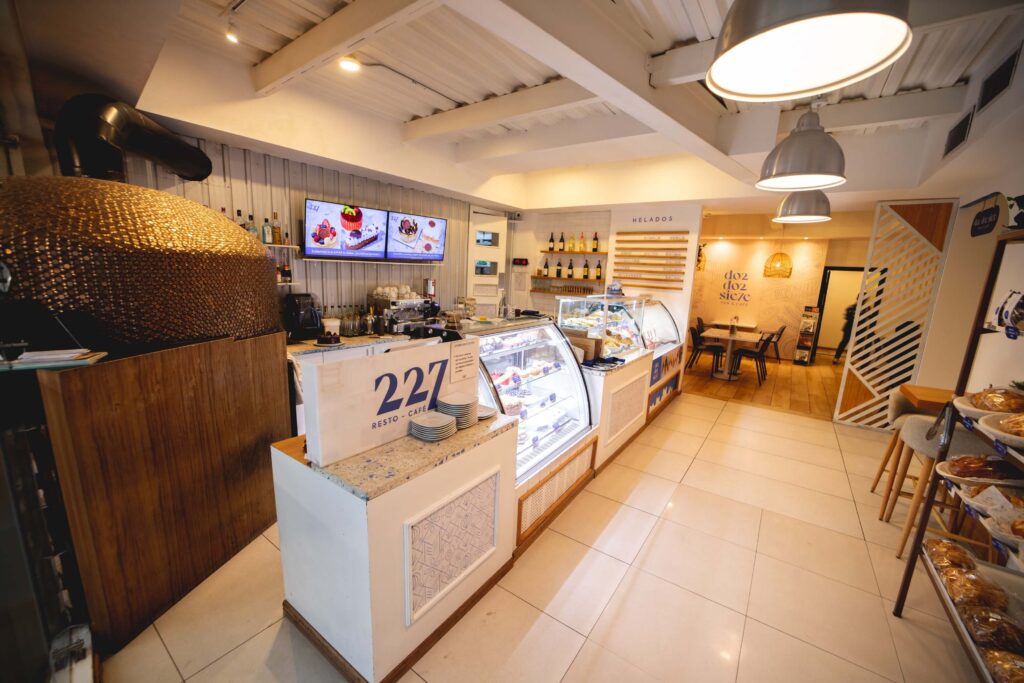
The 227 Resto-Café inside Hotel Finlandia is the most practical coffee option for guests staying in the La Carolina area. It operates as both a breakfast restaurant and a café throughout the day, serving espresso drinks, filter coffee, and a menu of Ecuadorian and international food. Comfortable, Wi-Fi friendly, and available without the Uber trip required to reach La Floresta.
What to order: the morning coffee with a traditional Ecuadorian breakfast plate.
Practical info: Hotel Finlandia, Finlandia 188 y Av. de los Shyris. Open daily from early morning.
Supermaxi Café / Mall Cafés (Quicentro)
For a quick espresso between meetings or shopping, the café options inside Quicentro Shopping (adjacent to La Carolina Park) provide reliable quality. Not specialty coffee destinations, but practical and well-located for travelers based in the financial district.
Tips for Coffee Tourism in Quito
Go in the morning. Specialty cafés in Quito are at their best between 8 AM and 11 AM. Afternoon visits often mean the best single-origin options are sold out and the space is quieter than optimal.
Ask about the origin. In any good Quito specialty café, baristas will know where their beans come from. Asking “what region is this from?” and “how is it processed?” will open a conversation and often lead to a better recommendation.
Try the hot chocolate. Ecuador’s cacao is as exceptional as its coffee — possibly more so. Quito has several places that make hot chocolate from bean-to-bar Ecuadorian cacao. Kallari and several La Floresta cafés offer this. It’s not the European-style sweetened version; it’s darker, more complex, and genuinely worth trying.
Bring cash for smaller cafés. Most specialty cafés accept cards, but smaller neighborhood spots may be cash-only. Always have dollars on hand.
Check altitude and caffeine. At 9,350 feet, caffeine can hit differently than at sea level — dehydration amplifies the effect. Drink water alongside your coffee, especially in the first few days of your visit.
For a deeper understanding of what makes Ecuadorian coffee and cacao exceptional, the Specialty Coffee Association has resources on single-origin evaluation. For information on Ecuador’s agricultural export programs and coffee growing regions, Ecuador’s cacao and coffee export board provides detailed origin information.