Quito is one of South America’s most compelling capital cities — and one of the most underestimated. Sitting at 9,350 feet above sea level in a narrow Andean valley, flanked by an active volcano and just 15 miles from the equator, it offers a combination of colonial architecture, mountain landscapes, cultural depth, and urban energy that few cities on the continent can match.
This guide covers everything you need to plan a visit to Quito: where to stay, how to get around, what to eat, which neighborhoods to explore, the best time to go, and the practical details that make the difference between a frustrating trip and a memorable one. For a detailed breakdown of Quito’s neighborhoods and which one suits your travel style, our guide to the best area to stay in Quito is the place to start.
Before you arrive, two things matter more than anything else: timing and altitude. Both will shape your experience more than any other factor. Our guide to the best time to visit Quito covers seasonal weather, festivals, and crowd levels month by month — and our altitude tips covers exactly how to manage the elevation so it doesn’t ruin your first days.
Quito at a Glance
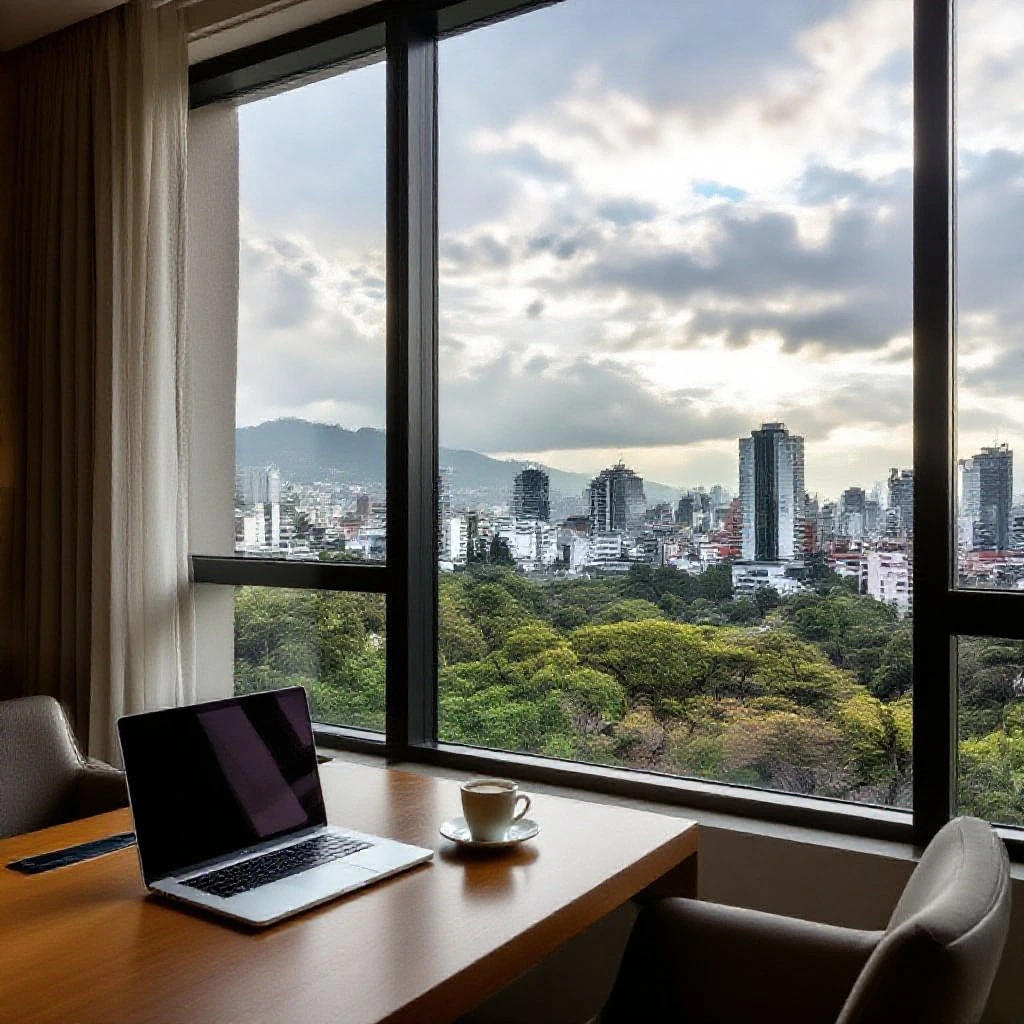
Quito is the capital of Ecuador and the second-highest capital city in the world. Its Historic Center — the largest and best-preserved colonial old town in Latin America — was one of the first sites declared a UNESCO World Heritage Site in 1978. The city sits in a valley between the Pichincha Volcano to the west and a series of Andean ridges to the east, giving it a dramatic physical setting that’s visible from almost every street.
Population: approximately 2.8 million in the greater metro area.
Elevation: 9,350 feet (2,850 meters) above sea level.
Currency: US Dollar (Ecuador adopted the dollar in 2000).
Language: Spanish. English is spoken in major hotels, tourist areas, and tour operators, but limited elsewhere.
Time zone: ECT (UTC-5). No daylight saving time.
Airport: Mariscal Sucre International Airport (UIO), located about 18 miles east of the city center. Journey to the financial district takes 45-60 minutes by taxi or Uber.
Getting to Quito
By Air
Quito is served by direct international flights from Miami, New York (JFK), Atlanta, Bogotá, Lima, Panama City, and several other Latin American hubs. American Airlines, United, LATAM, Avianca, Copa Airlines, and JetBlue all operate routes into Quito.
From the airport, the most reliable option is Uber, which costs approximately $20-25 USD to the financial district (La Carolina) and takes 45-60 minutes depending on traffic. Official airport taxis are also available at a fixed rate — confirm the price before getting in.
By Bus
International bus services connect Quito to other major Ecuadorian cities and to Bogotá, Lima, and other South American destinations. The main long-distance bus terminal is Quitumbe in the south of the city. Domestic buses to Cuenca, Guayaquil, Manta, and other cities are frequent and inexpensive.
Getting Around Quito
Uber
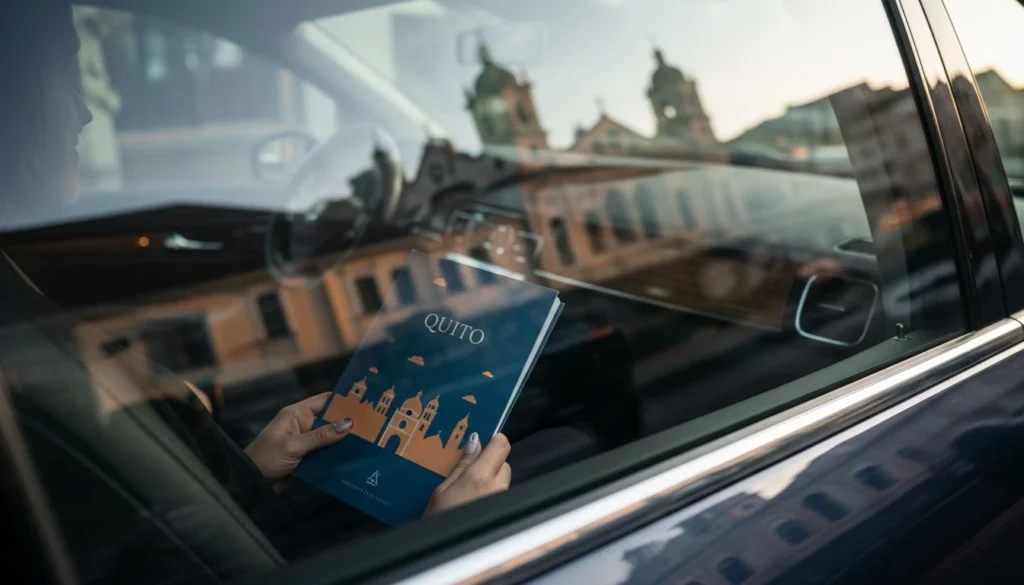
Uber is the most practical way for visitors to move around Quito. It’s affordable (most trips within the city cost $3-8 USD), reliable, and eliminates the language barrier of negotiating with taxi drivers. Availability is consistent throughout the day and evening in the main tourist and commercial areas.
Taxi
Traditional yellow taxis are widely available. Always insist on the meter (taxímetro) or agree on a price before getting in. From the financial district to the Historic Center typically costs $4-6 USD.
Ecovía / Metro Bus
Quito has a dedicated bus rapid transit system (Ecovía, Metrobús, Trolebús) running north-south through the city. Fare is $0.25. It’s efficient for covering long distances along the main corridor but requires knowing your stops. The Quito Metro (subway) opened in 2023 with a single line running from the north to the south of the city.
Walking
Each neighborhood is walkable within itself. The Historic Center is compact and best explored on foot. La Mariscal and La Floresta are also walkable. Moving between neighborhoods requires transport due to the city’s long, narrow layout and steep terrain between zones.
Quito's Neighborhoods: A Quick Overview
Quito is essentially a collection of distinct neighborhoods, each with its own character. Understanding the layout before you arrive makes navigation much easier.
Centro Histórico (Historic Center)
The colonial heart of Quito and the reason the city is on the UNESCO list. Centuries-old churches, baroque architecture, cobblestone plazas, and a density of cultural heritage unmatched in the region. Best for: first-time visitors, history lovers, day exploration. Less ideal as a base for nightlife or modern amenities.
Key attractions: Plaza Grande (the main square, surrounded by the Presidential Palace, Metropolitan Cathedral, and Archbishop’s Palace), La Compañía de Jesús (a Jesuit church with an extraordinarily elaborate gold-covered interior), Basílica del Voto Nacional (neo-Gothic cathedral with tower access and panoramic city views), La Ronda (a pedestrianized street with restaurants, artisan workshops, and live music on weekends).
La Mariscal
The main backpacker and international traveler hub. Plaza Foch is the center of nightlife and restaurant activity. Higher tourist density, more English spoken, good range of budget to mid-range accommodation. Best for: solo travelers, budget travelers, nightlife.
La Floresta
An artsy, independent neighborhood between La Mariscal and the Historic Center. Independent cafés, galleries, live music venues, creative restaurants. Walkable to both zones. Best for: travelers who want a more local, less touristy experience.
La Carolina (Financial District)
The modern northern city. Business hotels, major shopping malls, La Carolina Park (64 hectares), and efficient transport connections. Best for: business travelers, families, longer stays, and travelers who want a modern urban base with easy access to everything.
González Suárez
An upscale residential strip with views over the valley. Refined dining and bars, walkable at night, good choice for travelers who want quieter surroundings. Best for: couples, premium travelers.
What to Do in Quito
Historic Center Exploration
A full day in the Historic Center is essential for any first-time visitor. Start at Plaza Grande in the morning, visit La Compañía de Jesús, walk to the Basílica del Voto Nacional for the tower view, and finish the afternoon at La Ronda. Sunday mornings are particularly atmospheric when the main streets close to traffic.
TelefériQo Cable Car
The TelefériQo climbs from the city at 9,350 feet to a station at 12,943 feet on the flanks of Pichincha Volcano. From the station, hiking trails lead to the Rucu Pichincha summit at 15,413 feet. Views over the city on a clear morning are extraordinary. Go early — clouds build rapidly after 10 AM. Wear warm layers.
Mitad del Mundo
The equator monument, located 14 miles north of the city. The official site has a museum and the historical marker, but the more interesting equator experience is at the Intiñan Solar Museum across the road, where guides demonstrate genuine equatorial phenomena. Half-day trip from the city center.
Parque La Carolina
The city’s main urban park, 64 hectares in the financial district. Jogging paths, cycling lanes, a central lagoon with paddleboats, the Botanical Garden, and the Natural Sciences Museum are all inside or adjacent to the park. A practical morning activity, especially if you’re staying in the La Carolina area.
Day Trips
Quito’s location in the Andes puts several extraordinary destinations within 2-3 hours. Otavalo (indigenous Saturday market, 2 hours north), Cotopaxi National Park (active snow-capped volcano, 2 hours south), Mindo cloud forest (birdwatching, zip lines, chocolate farms, 2 hours west), and Papallacta hot springs (natural thermal pools, 1.5 hours east) are the most popular options.
Food and Drink in Quito
Quito’s food scene is more varied than most visitors expect. The city has everything from hole-in-the-wall market restaurants serving $2 set lunches to high-end tasting menu restaurants competing at an international level.
Local food worth trying: Locro de papa (potato and cheese soup), seco de pollo (slow-cooked chicken stew), llapingachos (fried potato cakes), encebollado (tuna and onion soup, a Coastal classic available everywhere), ceviche de camarón, empanadas de viento (fried cheese pastries), and canelazo (a warm cinnamon and aguardiente cocktail sold in the Historic Center at night).
Markets: The second floor of Mercado Central in the Historic Center serves the best cheap set lunches in the city ($2-3 USD). Mercado Iñaquito near La Carolina is the best food market in the northern city for fresh produce and local breakfast.
The financial district (La Carolina) has the city’s most international and varied restaurant scene, with everything from Peruvian ceviche to Japanese sushi to Ecuadorian haute cuisine concentrated within a few blocks.
Practical Travel Information
Money
Ecuador uses the US dollar. ATMs (Banco Pichincha, Banco Guayaquil, Banco del Pacífico) are widely available in the financial district and inside major malls. Inform your bank before traveling to avoid card blocks. Most restaurants, hotels, and shops accept credit cards, but smaller vendors and markets are cash-only.
Safety
Quito is a safe city in the tourist and commercial zones during daylight hours. The Historic Center is safe to visit by day. La Mariscal and La Carolina are safe at night in the main streets. Standard urban precautions apply: don’t display expensive cameras or phones unnecessarily, use Uber rather than street taxis at night, and stay in well-lit areas after dark.
Health
The main health consideration is altitude. At 9,350 feet, most visitors feel some effect in the first 24-48 hours. Symptoms range from mild headache and shortness of breath to nausea and insomnia. The standard advice: rest on arrival, drink at least 3 liters of water daily, avoid alcohol for the first day, eat light meals, and don’t attempt strenuous physical activity for 24-48 hours.
Sunscreen is essential year-round. Equatorial sun at altitude is significantly more intense than at sea level — UV index regularly hits 12-14 in Quito, among the highest in the world.
Internet and SIM Cards
Wi-Fi is available in all hotels, most restaurants, and many public spaces. Local SIM cards (Claro, Movistar, CNT) are available at the airport and in phone shops throughout the city. A local SIM with data is inexpensive and makes navigation and Uber significantly easier.
Where to Stay in Quito
Your choice of neighborhood will shape your experience more than any other single decision. The Historic Center offers atmosphere and cultural immersion but less modern infrastructure. La Mariscal offers budget options and social energy but can feel touristy. La Carolina offers the best combination of modern amenities, safety, transport access, and proximity to the city’s parks and commercial infrastructure.
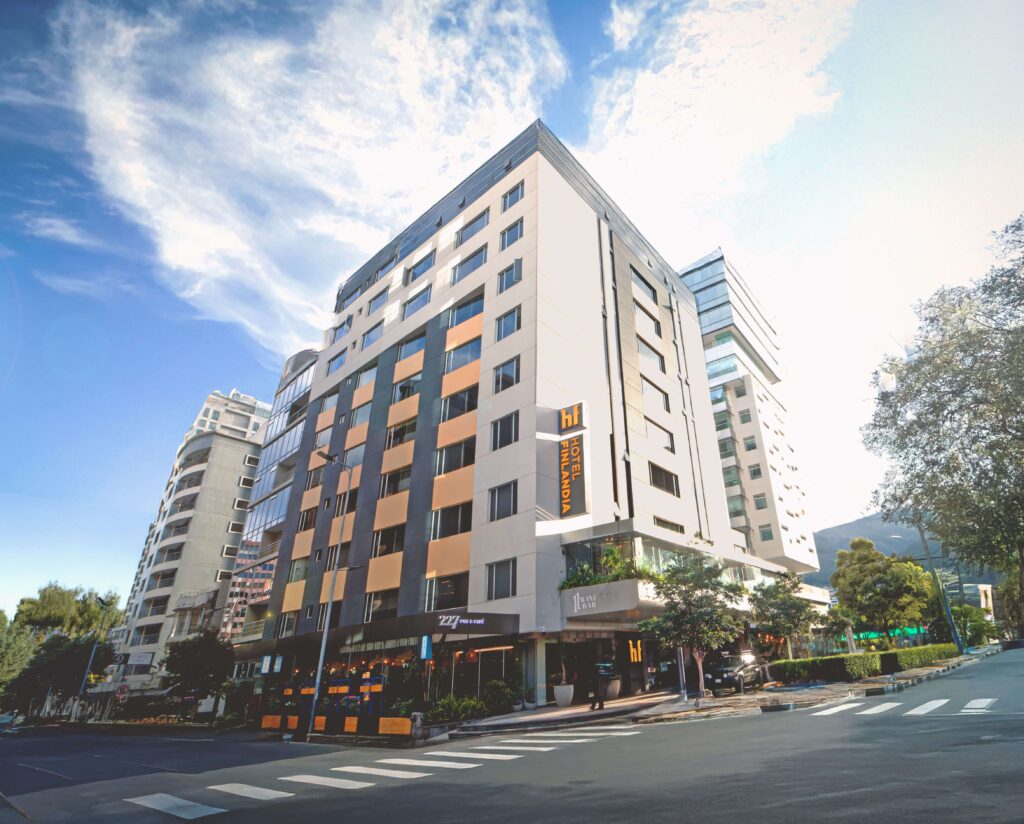
For business travelers and families who want a practical, comfortable base in the financial district — steps from La Carolina Park, Quicentro Shopping, and the main restaurant strip — the La Carolina area is the most consistently recommended choice among experienced travelers.
For up-to-date information on Ecuador’s tourism landscape and entry requirements, Ecuador’s official tourism website has current information. For Quito’s UNESCO Historic Center and the cultural significance of its colonial architecture, the UNESCO World Heritage listing provides full documentation.