

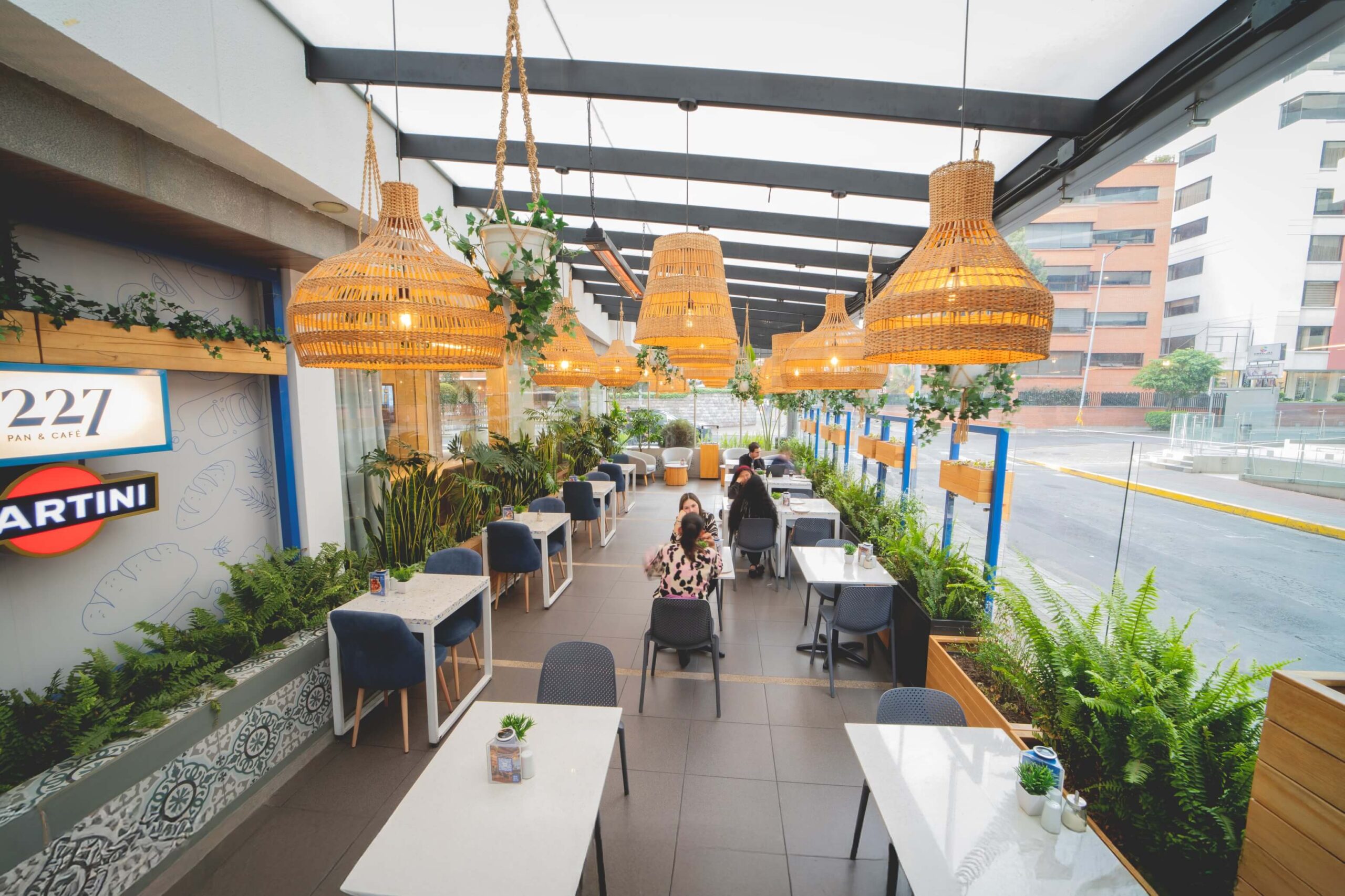
Quito’s food scene offers everything from traditional Ecuadorian dishes to modern fusion cuisine across its historic center and modern neighborhoods. The city has earned recognition as a culinary destination where you can taste authentic local flavors and international-inspired creations. Dining in Quito includes over 2,400 restaurants serving cuisine that ranges from street food to fine dining establishments.
You’ll find restaurants tucked into colonial buildings in Old Town and sleek modern spaces in the Mariscal and La Floresta neighborhoods. Many chefs in Quito blend traditional Ecuadorian ingredients with cooking techniques from around the world. The altitude of 9,350 feet affects cooking times and methods, which local chefs have mastered over generations.
Whether you want to try ceviche, locro de papa, or contemporary Latin American dishes, Quito’s restaurant options cover all price ranges and dining styles. This guide will help you pick the right spots for your meals and understand what makes eating in Ecuador’s capital unique.
Top Restaurants in Quito
Quito offers a diverse dining scene that ranges from award-winning establishments to iconic local spots. The city’s restaurants showcase both traditional Ecuadorian dishes and innovative fusion cuisine that blends local ingredients with international techniques.
Most Popular and Award-Winning Restaurants
TripAdvisor lists over 2,448 restaurants in Quito, making it easy to find highly-rated dining options. The city’s most popular establishments often combine excellent service with creative menus.
Quitu Identidad Culinaria stands out as one of the most celebrated restaurants in the capital. This restaurant focuses on authentic Ecuadorian flavors prepared with modern techniques.
Many of the top-rated spots in Quito have earned recognition for their commitment to using locally-grown ingredients. Ecuador’s diverse ecosystems provide restaurants with fresh produce from the Andes Mountains and coastal regions. You’ll find these award-winning restaurants concentrated in neighborhoods like La Floresta and the historic center.
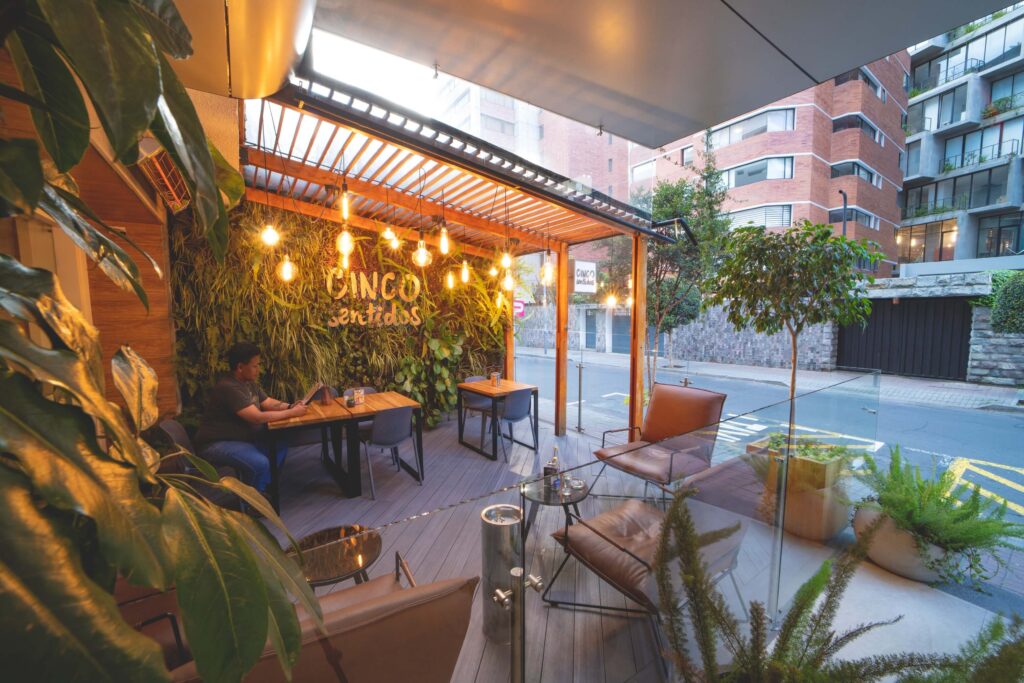
Fine Dining and Ecuadorian Fusion Cuisine
Quito’s fine dining scene embraces Ecuadorian fusion cuisine that merges traditional recipes with global influences. You can try dishes like soy-glazed tuna steak that combines Asian flavors with fresh local seafood.
Peruvian fusion cuisine has become increasingly popular at upscale Quito restaurants. Tiradito parmesan represents this trend, blending Peruvian-style raw fish preparations with Italian cheese. These fusion dishes demonstrate how chefs in the city experiment with flavors while respecting culinary traditions.
High-end restaurants in Quito typically feature tasting menus that highlight seasonal ingredients. You’ll pay more at these establishments, but the quality and presentation match international fine dining standards.
Iconic Eateries and Must-Visit Establishments
Café Mosaico has become one of the most iconic eateries in Quito. This restaurant offers views of the city along with a menu that appeals to both locals and visitors.
La Ronda street hosts several must-visit restaurants and bars in a historic setting. The cobblestone pedestrian street features colonial buildings filled with dining options. You can explore multiple restaurants and bars in one evening while enjoying the area’s vibrant atmosphere.
Local experts recommend getting personalized recommendations to find hidden gems beyond the obvious choices. These iconic spots often require reservations during peak dining hours.
Traditional and Modern Flavors
Quito’s restaurant scene showcases both time-honored recipes passed down through generations and innovative interpretations that blend local ingredients with global techniques. You’ll find everything from hearty potato-based dishes to creative fusion plates that push culinary boundaries.
Traditional Ecuadorian Cuisine and Authentic Dishes
Traditional Ecuadorian cuisine in Quito combines indigenous ingredients with Spanish influences to create distinct flavors. You’ll encounter dishes that highlight potatoes, corn, and fresh vegetables from the Andean highlands.
Llapingachos are crispy potato patties filled with cheese that appear on menus throughout the city. These golden cakes are often served with peanut sauce, fried eggs, and avocado. You can find authentic versions at restaurants focused on Ecuadorian heritage.
Other authentic Ecuadorian dishes include locro de papas, a hearty potato soup with cheese and avocado, and seco de carne, a slow-cooked beef stew with tender meat. Many establishments source their ingredients from local markets and farms to maintain authentic flavors.
Helado de paila offers a unique dessert experience. This traditional ice cream is hand-churned in large copper pans and comes in fruit flavors like naranjilla and guanabana.
Signature Dishes to Try in Quito
You should try several signature preparations that define Quito’s culinary identity. Grilled anticuchos feature marinated meat skewers with bold spices and are popular street food items that have moved into restaurant menus.
Ceviche appears in various forms, from shrimp to fish, prepared with lime juice and served with popcorn or plantain chips. Coastal influences bring fresh seafood options like calamari prepared with local seasonings.
Tres leches cake and dulce de leche cheesecake satisfy your sweet tooth after meals. These desserts reflect the city’s love for rich, creamy finishes.
You’ll also encounter empanadas de viento, fried pastries filled with cheese and dusted with sugar. The pisco sour, while originally from Peru, has become a popular cocktail choice in Quito’s bars and restaurants. Many establishments pair these drinks with small plates during their nightlife hours.
Ecuadorian and International Culinary Influences
Modern Quito restaurants blend traditional elements with international techniques to create Ecuadorian fusion cuisine. Chefs use organic ingredients from the Galápagos, Amazon, highlands, and coast in inventive preparations.
You’ll find restaurants that take classic dishes and add contemporary presentations or flavor combinations. Some establishments incorporate French techniques with Ecuadorian ingredients, while others explore Asian or Mediterranean influences.
The hospitality at these fusion restaurants matches the creativity of their menus. Staff members guide you through unfamiliar combinations and explain preparation methods. Many hotels in the historic center house restaurants that showcase this modern approach to traditional flavors.
Farm-to-table concepts have gained popularity, with chefs emphasizing locally sourced produce and artisanal meats. This movement supports Ecuadorian farmers while ensuring fresh ingredients reach your plate.
Frequently Asked Questions
Quito’s dining scene ranges from traditional Ecuadorian eateries in historic plazas to modern fusion restaurants with mountain views, plus street food vendors serving local favorites throughout the city.
What are the top-rated dining experiences in Quito’s Old Town?
The Old Town offers several excellent dining options that combine historic atmosphere with quality food. You’ll find restaurants tucked into colonial buildings with traditional Ecuadorian dishes on their menus.
Many establishments in the historic center focus on local ingredients and recipes passed down through generations. The area around Plaza Grande and Plaza San Francisco has numerous options for both casual and upscale dining.
You can enjoy indoor seating in restored colonial buildings or outdoor tables on cobblestone streets. The architecture adds to your dining experience while you taste authentic Ecuadorian flavors.
Where can I find restaurants with the best views in Qito?
Restaurants in the Mariscal and La Floresta neighborhoods often feature rooftop terraces with views of the surrounding volcanoes. These spots give you a chance to see Quito’s mountainous landscape while you eat.
The higher elevation areas of the city provide panoramic views of the urban center below. You can spot restaurants with terraces that overlook both the modern and historic parts of Quito.
Some hotels in Quito have restaurants on their upper floors with floor-to-ceiling windows. These venues let you watch the sunset over the Andes while dining.
Can you list Ecuadorian cuisine must-tries in Quito?
You should try locro de papas, a creamy potato soup with cheese and avocado that’s a staple comfort food. Hornado, slow-roasted pork served with llapingachos (potato patties), is another traditional dish.
Ceviche in Quito uses fresh seafood brought in from the coast, typically served with popcorn and plantain chips. Fritada consists of fried pork chunks cooked in their own fat until crispy on the outside.
Empanadas de viento are cheese-filled pastries that puff up when fried and are often topped with sugar. Cuy, or guinea pig, is a traditional protein that’s been eaten in the Andes for centuries.
Are there any Michelin-starred restaurants in Quito, and if so, what are they?
Quito does not have any Michelin-starred restaurants because the Michelin Guide doesn’t currently rate restaurants in Ecuador. The guide only covers select cities and countries around the world.
However, Quito has standout restaurants like ZAZU, which offers an 8-course tasting menu by Chef Wilson Alpala using local ingredients. You’ll find high-quality dining experiences even without Michelin recognition.
The city has earned recognition from other international food guides and critics. Many chefs in Quito have trained abroad and bring sophisticated techniques to their kitchens.
What street foods are considered a must-try when visiting Quito?
Empanadas are sold by street vendors throughout the city and come with various fillings like cheese, chicken, or beef. You can grab them for a quick snack while exploring.
Salchipapas combines sliced hot dogs with french fries, topped with sauces like ketchup, mayonnaise, and mustard. This filling street food is popular for late-night eating.
Choclo con queso features grilled corn on the cob served with fresh cheese. Humitas are steamed corn cakes wrapped in corn husks with a slightly sweet flavor.
Morocho is a warm drink made from white corn, milk, cinnamon, and raisins. Street vendors also sell fresh fruit cups with lime juice and chili powder.
What options are available for American cuisine in Quito?
You’ll find American-style restaurants serving burgers, steaks, and comfort food in the Mariscal and La Carolina areas. These neighborhoods have several establishments catering to expats and tourists.
Chain restaurants from the United States operate in Quito’s shopping centers and main commercial districts. You can find familiar brands if you’re craving food from home.
Some restaurants blend American cooking styles with Ecuadorian ingredients to create fusion dishes. Brunch spots in Quito often feature American-style pancakes, eggs benedict, and breakfast burritos.