
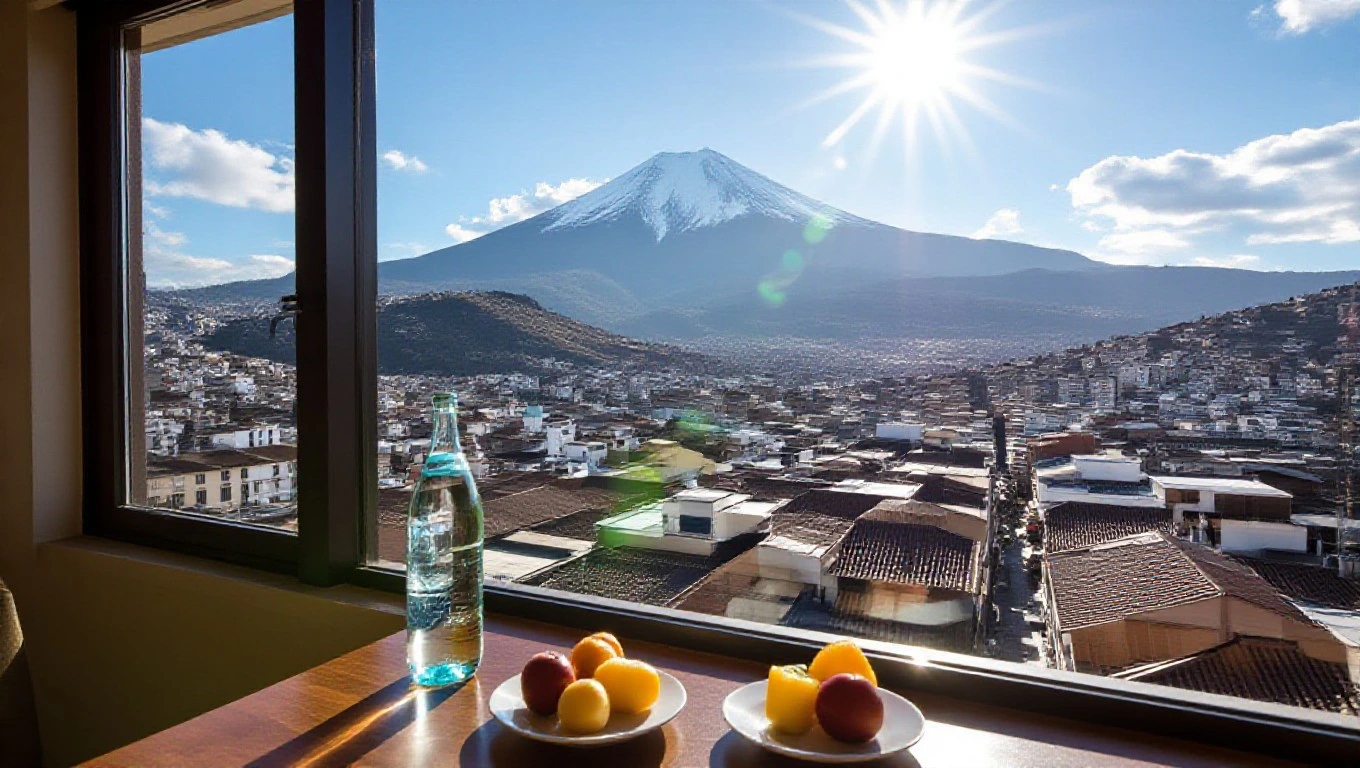
Quito sits at 2,850 meters (9,350 feet) above sea level. It’s the second-highest capital city in the world.
This high elevation can affect visitors within hours of arrival. You might get headaches, nausea, or feel short of breath.
Honestly, knowing how to handle the altitude before you land will make your trip a whole lot better.
The key to avoiding altitude sickness in Quito is to drink at least three liters of water daily. Rest during your first 24 hours, and skip strenuous activities until your body settles into the thinner air.
Many travelers don’t expect the altitude to hit them so hard, but honestly, a few simple steps go a long way.
This guide breaks down why Quito’s altitude impacts your body and shares practical strategies to stay healthy up high. You’ll get tips for before you arrive, how to spot warning signs, and when it’s time to get medical help.
Understanding Quito’s High Altitude
Quito sits at 9,350 feet above sea level. That’s high—one of the highest capitals on the planet.
The reduced oxygen up here affects most people, whether it’s just a dull headache or something more.

Quito’s Location and Altitude
Quito sprawls along the eastern slopes of the Pichincha Volcano in the Andes. The city’s at 2,850 meters (9,350 feet) above sea level, so you get mountain views from almost anywhere.
When you fly into Mariscal Sucre International Airport, you actually land at about 7,874 feet. The airport’s about 11 miles from downtown.
The air pressure in Quito is much lower than at sea level. You get roughly 25% less oxygen with every breath compared to the coast.
Why Altitude Affects Visitors
At high elevations, each breath contains less oxygen. Your body needs time to get used to this, which is why symptoms can pop up fast.
Your heart works harder and your breathing speeds up to grab enough oxygen. It’s a bit of a workout for your body, honestly.
Common symptoms you might notice:
- Headaches
- Shortness of breath
- Fatigue and weakness
- Dizziness or lightheadedness
- Nausea
- Trouble sleeping
How you react to altitude is pretty personal. Fitness doesn’t guarantee you’ll avoid altitude sickness—plenty of athletes get hit, while some less active folks feel fine.
Second-Highest Capital City
Quito ranks as the second-highest capital city in the world. Quito’s 9,350 feet dwarfs Denver, Colorado, which is just 5,280 feet. You’re more likely to feel the altitude here than in Denver, that’s for sure.
The city’s high setting gives it a kind of endless spring. Temperatures usually hang between 50°F and 70°F, no matter the time of year.
Key Attractions at Elevation
Quito’s top attractions are scattered at different heights. El Panecillo, with its towering Virgin Mary statue, rises to 9,895 feet and has some of the best city views.
Rucu Pichincha, a peak of the Pichincha Volcano, climbs up to 15,413 feet. The TelefériQo cable car gets you to 12,943 feet—most people feel the altitude up there, no doubt.
Mitad del Mundo, the equator monument, sits at about 8,202 feet—just a bit lower than downtown. La Capilla del Hombre, a museum for Latin American art, is right around 9,350 feet in the city center.
Historic hotels like Hotel Plaza in the Old Town are at Quito’s base elevation. You’ll feel the altitude everywhere, but it’s definitely more intense higher up, like at Rucu Pichincha.
Preventing and Managing Altitude Sickness in Quito
Quito’s 9,350-foot elevation can trigger altitude sickness for a lot of visitors. Knowing the symptoms and how to handle them makes your trip way easier.
Symptoms of Altitude Sickness
Altitude sickness—locals call it soroche—happens when your body struggles with the low oxygen up high. Symptoms usually show up within 6 to 24 hours after you arrive.
Headaches, dizziness, nausea, and fatigue are common. You might also deal with shortness of breath, no appetite, or a rough night’s sleep.
Some people just feel a bit off, while others get more serious symptoms that require treatment. There’s no real way to predict how you’ll react—athletes can get sick, and sometimes less active people don’t.
Acclimatization Strategies and Lifestyle Adjustments
Take it slow your first day or two in Quito. Don’t rush into hikes or anything too physical—let your body catch up.
Drink a lot of water, more than you think you need. Hydration helps your body adjust to the thinner air.
Skip alcohol and limit caffeine at first, since both can dry you out and make symptoms worse. Eat light, easy-to-digest meals—heavy food just feels tougher up here.
Try to get some extra sleep your first few nights. Your body is working overtime to make more red blood cells and carry oxygen around. Taking these steps and being aware of the risks helps minimize your chances of developing altitude sickness.
Traditional and Medical Treatments
Coca tea is a classic Andean remedy for altitude woes. You’ll find it in most cafes and markets, and coca candies are a thing too.
There’s also acetazolamide (Diamox), a prescription drug that can help prevent altitude sickness. Talk to your doctor before traveling to Quito if you’re curious about it. It basically helps you breathe faster, so you get more oxygen in your blood.
For headaches, grab some ibuprofen or acetaminophen. A few Quito pharmacies even sell small oxygen canisters if you need quick relief.
When to Seek Medical Help
Most cases of altitude sickness in Quito are mild. They usually get better within a few days if you rest and take care of yourself.
But sometimes, altitude sickness can cause real trouble if things get worse instead of better.
If you have severe trouble breathing, confusion, loss of coordination, or blue lips, get medical help right away. These symptoms might mean high altitude pulmonary edema or high altitude cerebral edema—both are very serious.
If you’re still feeling rough after a couple of days of rest, it’s time to see a doctor. Quito actually has medical facilities that know how to handle altitude issues.
Honestly, if things are bad, heading to a lower elevation is usually the best move.